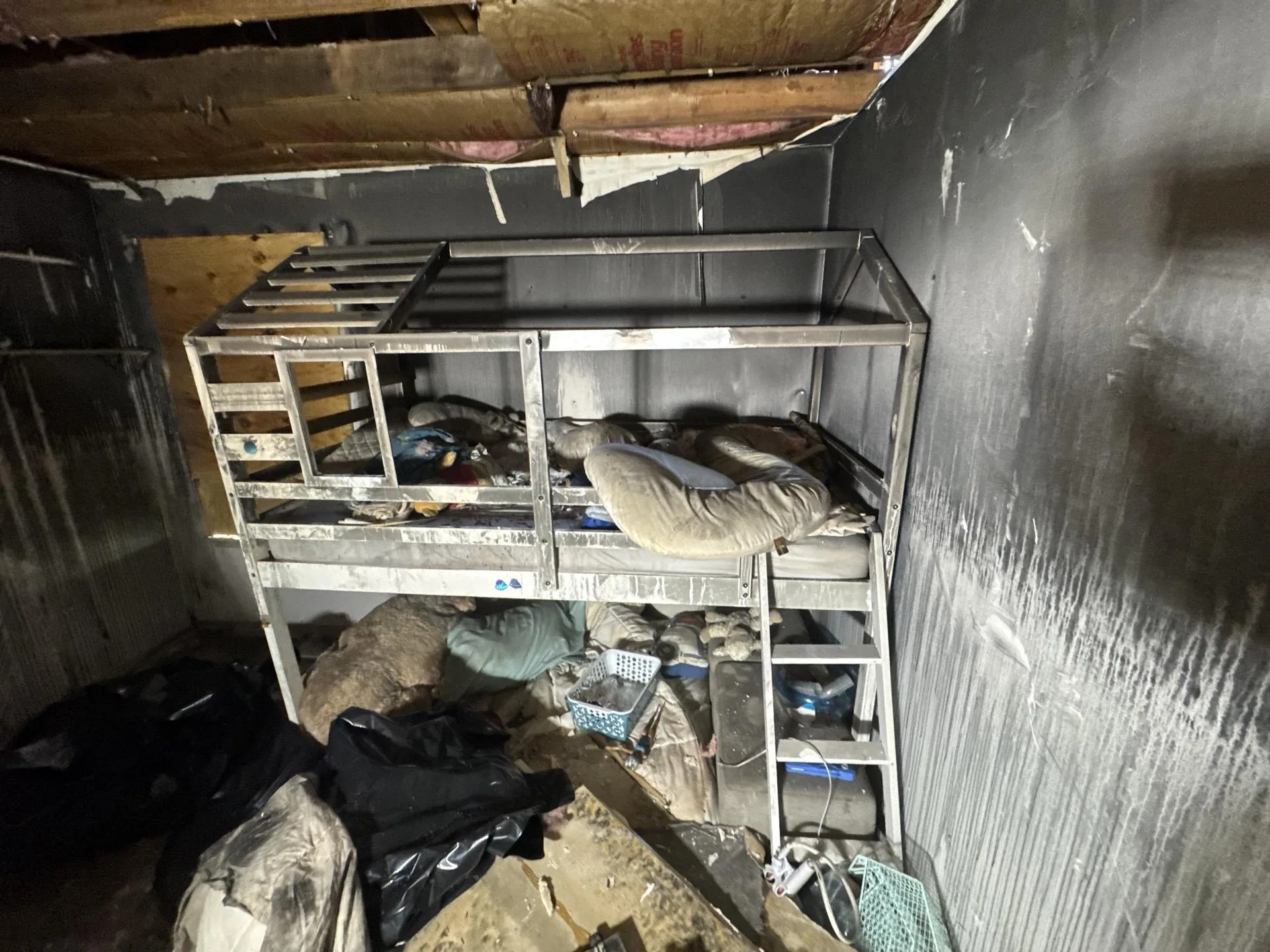
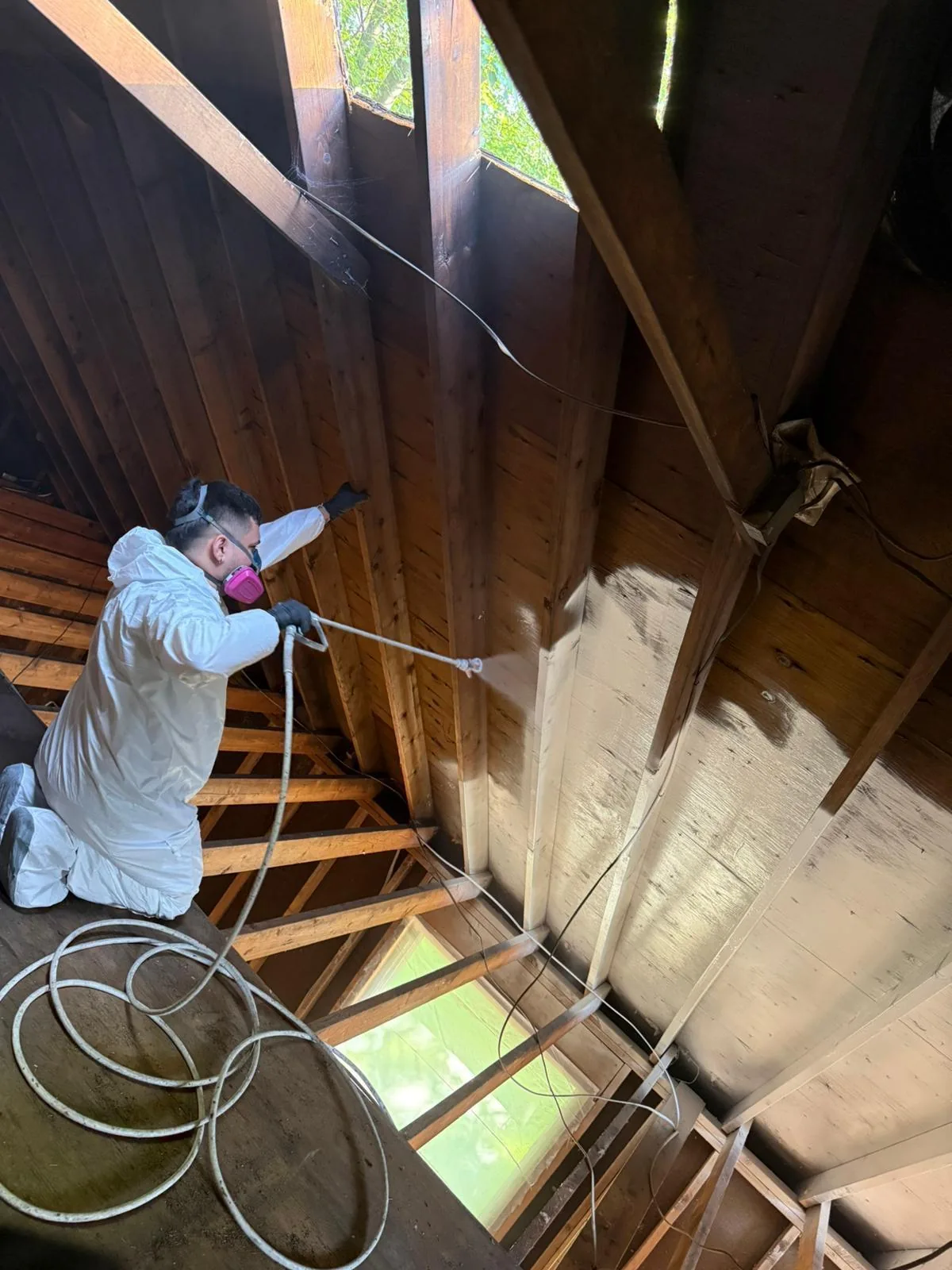
A fire can leave a Mount Arlington home with damaged belongings, wet rooms, and exposed openings as well as burned construction. We address those parts of the loss together, assessing what can be restored and planning the repairs. Our reconstruction service keeps the work moving beyond the initial cleanup.
Give important belongings their own assessment
Contents restoration is a separate part of recovery from repairing the building. Heat, residue, material type, and the item’s condition affect whether it can be restored. Identify sentimental or valuable belongings for assessment, and photograph them only when access is safe. Avoid discarding items before the insurer has had the opportunity to review the loss.
What to do after the fire is out
Your family’s safety comes first. Remain outside until the fire department permits entry, and follow any restrictions on utilities or damaged areas. Report the loss to your insurer and keep receipts for temporary accommodation and other necessary expenses.
Call A GRADE when you are ready to arrange restoration help. We can begin with the immediate protection and damage assessment; you do not need to know the final rebuilding cost or decide what can be saved before making that call.
How we restore a fire-damaged property
Protect and assess. We identify exposed openings and assess the damage that can be safely accessed. Board-up or temporary covering helps protect the property where needed. Photographs and the recorded conditions establish the starting point for the restoration scope.
Address water and residue. Firefighting water may require extraction and drying. Smoke and soot work involves appropriate cleaning of affected surfaces and assessment of contents, with odor treatment directed at the affected materials rather than simply masking the smell.
Repair and rebuild. Materials that cannot be restored are addressed in the repair scope. Reconstruction follows the necessary cleanup and drying, with a dedicated project manager coordinating the reconstruction work, scheduling, and communication.
Documentation that helps you understand the claim
We provide photographs, estimates, and restoration records so the damage and proposed work are clearly documented. Keep your claim number, adjuster’s contact information, and receipts together. The insurer applies the policy’s coverage and deductible; our role is to document and carry out the restoration work.
Building repairs, belongings, and temporary living expenses may be handled under different parts of the policy. Keeping those records separate makes the claim easier to follow and prevents the repair estimate from becoming mixed with unrelated expenses.
Local service and recovery resources
Mount Arlington Borough is a Morris County service area near A GRADE’s Succasunna office. Use the borough’s official municipal website for local department contacts and current public notices.
For rebuilding questions, the municipal website below is the starting point for construction and inspection contacts. Keep the property address and planned repair description available when contacting the appropriate office.
Call (973) 473-7247 for help with your Mount Arlington property. Tell us what happened, the address, and whether there are any access restrictions. We will help you identify the next step, from emergency protection to cleanup and rebuilding.
A GRADE’s New Jersey office is at 17 NJ-10 Unit 1, Succasunna, NJ 07876. Emergency service is available 24 hours a day.
Stay outside until the fire department says it is safe to enter, and do not reconnect utilities that responders have shut off. Contact your insurer to report the loss, then arrange protection for damaged openings and an assessment of the building. Save receipts for temporary accommodation and other loss-related expenses. You do not need to sort out the entire rebuilding project before contacting A GRADE for help.
Can you remove smoke odor, or will it come back?
Smoke odor can often be removed, but covering the smell with fragrance or painting over untreated residue does not address the source. Our restoration work targets smoke-affected surfaces and materials through cleaning, appropriate odor treatment, and removal of materials that cannot be restored. Persistent odor is a reason to look for remaining affected material, including in concealed areas, rather than simply repeat a surface treatment.
Does everything with soot on it need to be replaced?
No. Some surfaces and belongings can be cleaned and restored; others are too damaged or contaminated to retain. The material, heat exposure, residue, and condition of the item all affect that decision. We assess building materials and contents separately so replacement is tied to the actual loss. Photograph belongings when it is safe and coordinate with your insurer before discarding them.
How long does fire damage restoration take?
A minor fire loss may take days or weeks to restore; major damage requiring reconstruction can take several months. Cleanup and rebuilding are different stages, and smoke spread, firefighting water, structural damage, permits, and material availability affect the total. We establish the work and scheduling milestones after assessment so you can plan around your property’s needs rather than a generic completion promise.
What affects the cost of fire restoration?
The main cost drivers are how far fire and smoke spread, which materials can be cleaned, the amount of firefighting water, contents handling, and the extent of rebuilding. A kitchen loss that requires cabinets and electrical repairs is different from smoke residue on otherwise intact surfaces. Protection, cleanup, drying, contents, and reconstruction are separate parts of the estimate, making it easier to see what the work covers and how changes affect the total.
Does homeowners insurance cover fire and smoke damage?
Fire and sudden smoke damage are commonly covered by homeowners insurance, subject to the policy’s terms, limits, and deductible. Building repairs, belongings, and additional living expenses can fall under different coverages. A GRADE supplies restoration photographs, estimates, and work documentation to support your claim. Your insurer determines coverage; our repair estimate does not itself authorize an insurance payment.
Can A GRADE handle both cleanup and rebuilding?
Yes. Our fire services include damage assessment, smoke and soot removal, odor treatment, water mitigation, contents restoration, and reconstruction. That allows the work to move from the immediate loss through the repair stage with one restoration company. Reconstruction projects have a dedicated project manager to coordinate scheduling, communication, and the work involved in getting the property back into use.
Can I stay in my house while the work is being done?
Only if the property is safe to occupy and the work allows it. A contained loss is different from a home with damaged utilities, structural damage, or widespread residue. Follow the fire department’s and building officials’ instructions; permission to retrieve belongings is not necessarily permission to live there. If you must leave, contact your insurer about additional living expense coverage and keep your accommodation receipts.
Can I arrange restoration for a Mount Arlington property while I am away?
Yes. You can call as the owner or authorized property manager and arrange a local contact or another approved access method. We need the complete address, the known damage, and the person authorized to approve work. Do not send a neighbor or family member into a restricted or unsafe building to inspect it first.